Fertilizer: Enhancing Soil Fertility for Sustainable Agriculture

Fertilizers play a pivotal role in modern agriculture by providing essential nutrients that improve soil fertility and enhance plant growth. These products, whether organic or inorganic, are designed to meet the nutritional needs of plants, ensuring optimal crop yields and healthier ecosystems. Fertilizers are crucial for boosting agricultural productivity, ultimately supporting the global food supply chain and sustainable agricultural practices.
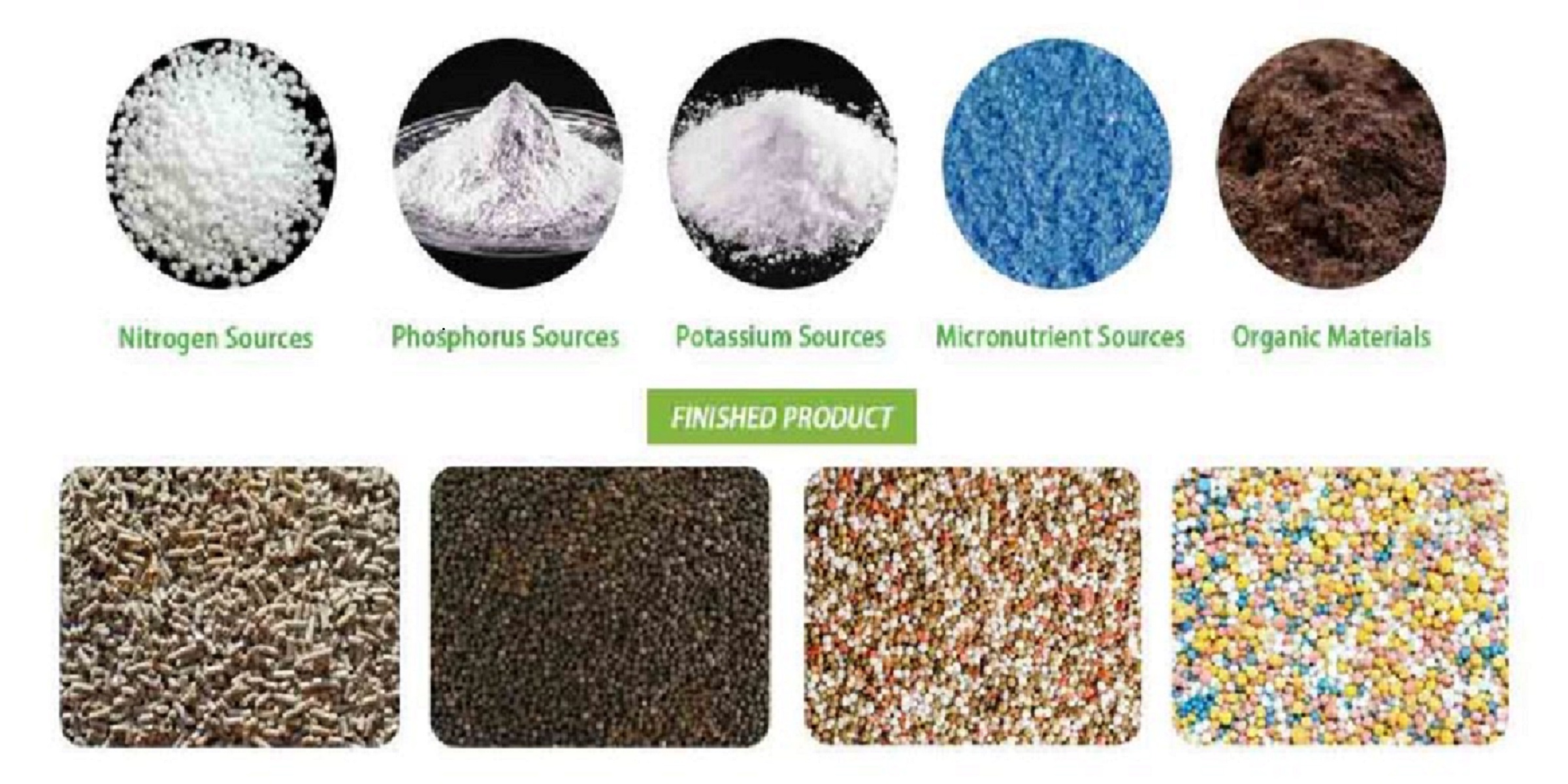
Fertilizers can be broadly classified into two categories: organic and inorganic. Organic fertilizers, such as compost and manure, offer slow-release nutrients while improving soil structure over time. In contrast, inorganic fertilizers, including synthetic chemicals, provide immediate nutrient availability, facilitating quicker plant growth. By selecting the appropriate fertilizer, farmers can maximize efficiency and minimize environmental impact.
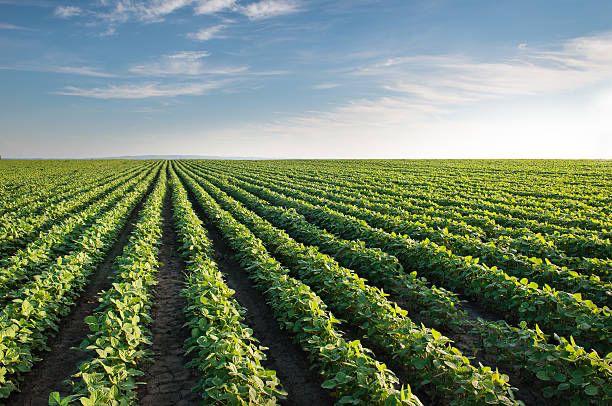
The primary nutrients in most fertilizers—nitrogen (N), phosphorus (P), and potassium (K)—are critical for vital plant processes. These essential elements help plants with photosynthesis, root development, and overall health. Each nutrient serves a unique role in the growth cycle, contributing to robust and thriving crops.

Sustainable fertilizer practices, including precision farming and slow-release fertilizers, help optimize nutrient use while minimizing environmental harm. Excessive fertilizer use can lead to issues such as soil degradation and water pollution. With careful management and the adoption of sustainable farming practices, it is possible to achieve high yields while protecting the environment for future generations.
Protecting Crops with Pesticides
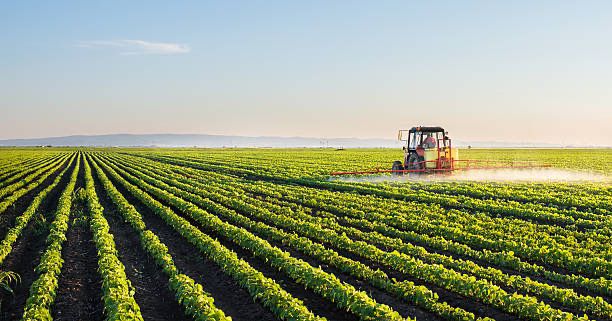
Pesticides are vital tools in modern farming, protecting crops from pests, diseases, and weeds. By controlling these threats, pesticides help secure a stable food supply, improving crop yields and reducing losses. However, their use must be carefully managed to avoid negative environmental impacts.

While pesticides increase agricultural productivity, they can also lead to contamination of water sources, harm non-target species, and contribute to soil degradation. Furthermore, pesticide resistance in pests has become a growing concern, leading to an escalating need for more chemical treatments.
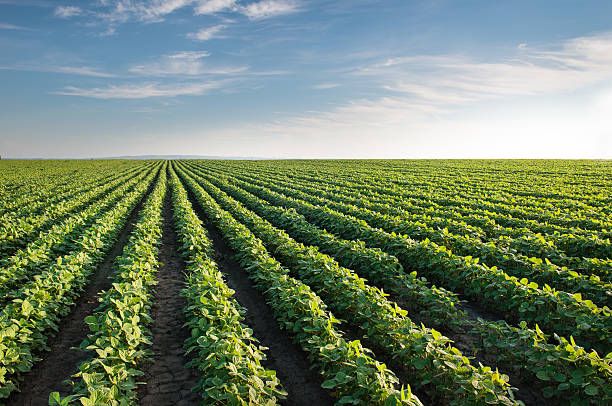
The adoption of Integrated Pest Management (IPM) strategies provides a balanced approach to pest control, combining the judicious use of chemical pesticides with biological control, crop rotation, and resistant plant varieties. This approach minimizes environmental risks while maintaining agricultural productivity.
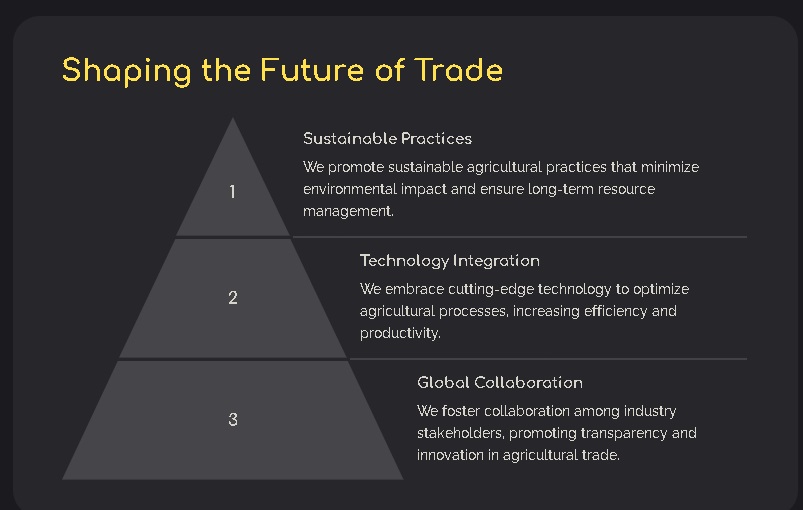
Reducing pesticide dependency through sustainable practices not only helps protect ecosystems but also ensures the safety of farmworkers and consumers. Innovations in biopesticides and eco-friendly alternatives are also playing a key role in minimizing pesticide-related issues.
Revolutionizing Agriculture with Modern Machinery
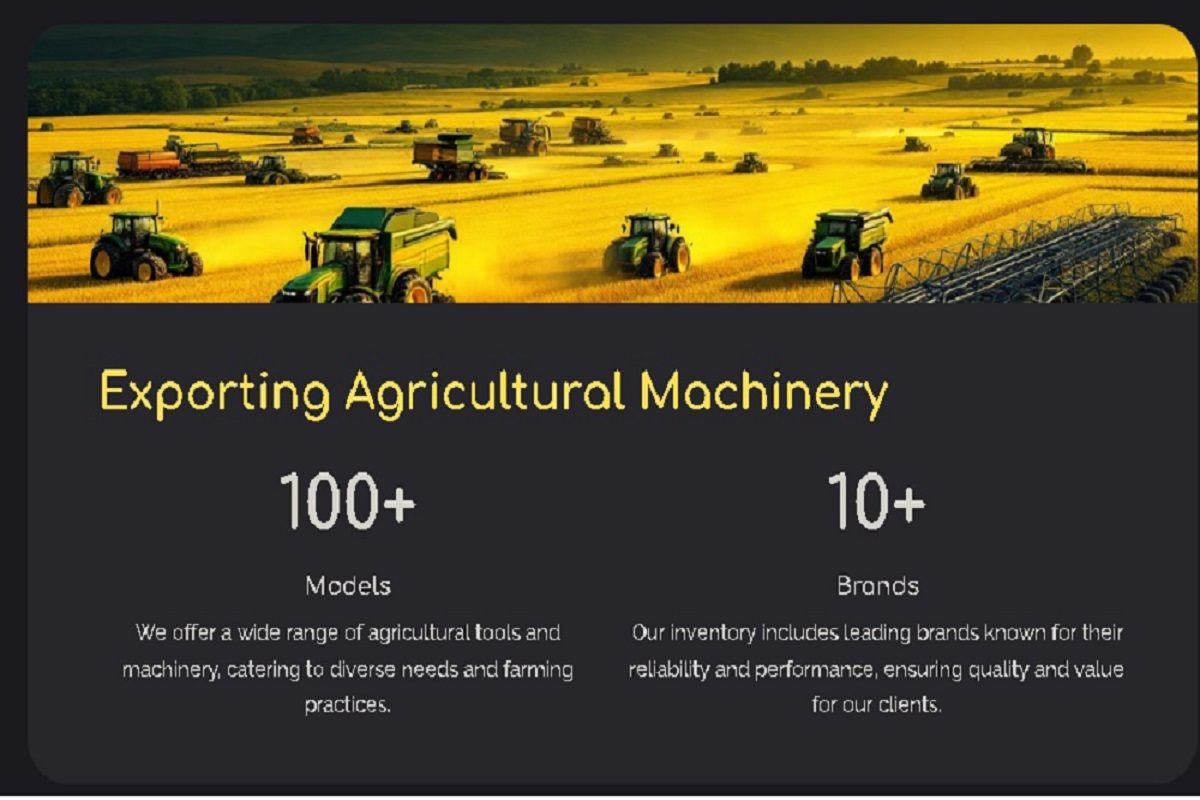
Modern agricultural machinery has transformed farming practices by enhancing efficiency, productivity, and sustainability. Machines significantly reduce labor costs and increase precision, improving crop yields and optimizing the use of resources.
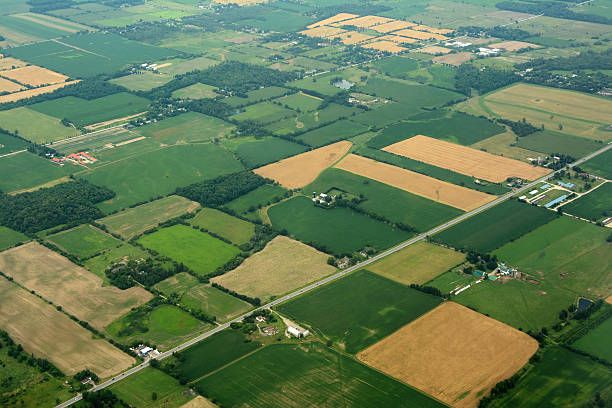
From plows to combine harvesters, agricultural machinery supports every stage of crop production. These tools are designed to perform multiple tasks such as soil preparation, planting, and harvesting, significantly reducing human intervention while increasing efficiency and accuracy.

Precision farming employs advanced technologies like drones, sensors, and GPS systems to optimize farming practices. These technologies allow farmers to monitor soil health, moisture levels, and crop growth in real time, resulting in better decision-making and resource allocation.

Emerging technologies in agriculture, such as solar-powered machinery and electric vehicles, are helping to reduce the carbon footprint of farming operations. These innovations promote environmental sustainability and align with the growing demand for eco-friendly solutions in agriculture.
Importing & Exporting Agricultural Products

Global trade in agricultural products plays a crucial role in feeding the world. By importing essential crops, fertilizers, and agricultural machinery, countries can meet their food needs while promoting economic growth and international cooperation.
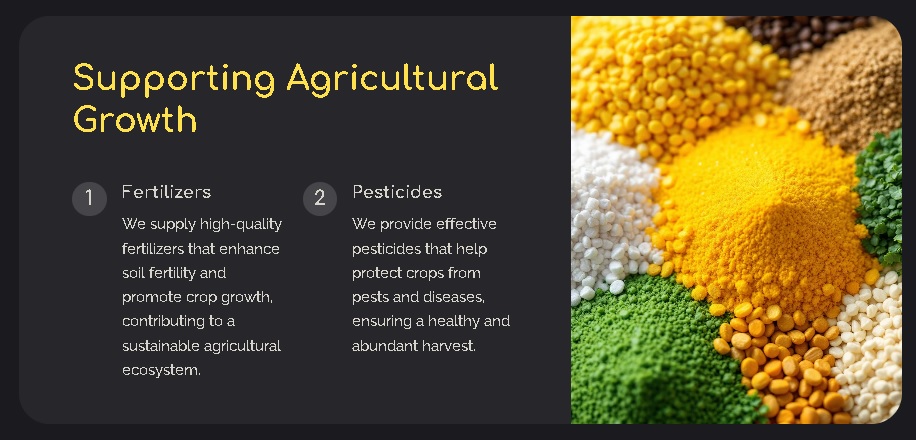
Exporting agricultural products creates new markets for farmers and supports local economies. It also helps provide countries with access to high-quality food products, while generating revenue for growers and businesses alike.

The global agricultural trade network ensures that food products reach their destinations efficiently. Exporters and importers work together to streamline supply chains, reduce costs, and maintain the flow of essential goods across borders.

Strategic trade partnerships foster collaboration between nations, ensuring the exchange of technology, knowledge, and best practices in the agricultural sector. These partnerships also help address challenges like food security and climate change.